Sport e passione
Wag2009.com non è più disponibile a questo indirizzo. Si prega, invece, di visitare wag2009.free.fr.
L'aeromodellismo è una passione che può rivelarsi fonte di divertimento e apprendimento. Non solo, da hobby, può trasformarsi in una vera attività sportiva! Su questo sito troveranno spazio articoli relativi alle tecniche per costruire modellini di aerei, insieme ad informazioni dettagliate sui droni, caratterizzati da funzioni avanzate di controllo. Nel tempo, nel tempo, le tecniche per costruire aeromodelli si sono evolute, con importanti sviluppi legati al mondo della produzione audiovisiva.
Aeromodellismo statico e dinamico
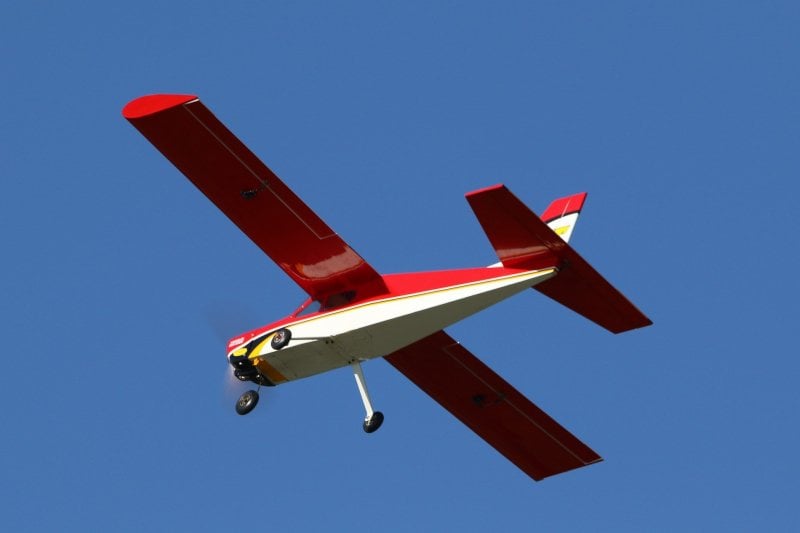
Con aeromodellismo statico si intende quell'attività volta a costruire modelli in scala di aeroplani che non hanno funzioni di volo. L'aeromodellismo dinamico, invece, permette di realizzare modelli equipaggiati con un meccanismo (ad esempio un motore) che permettano al mezzo di volare ed eseguire evoluzioni. La prima grande rivoluzione avvenne negli anni '60, con l'invenzione del radiocomando.
La nuova frontiera: i droni
Ultratecnologici e ricchi di funzionalità: i droni solcano i cieli, pilotati da semplici appassionati o da professionisti della cinematografia. Grazie alle telecamere in HD, sono in grado di realizzare riprese mozzafiato di altissima qualità.
La sigla APR indica che il drone è usato per hobby. SAPR, invece, si riferisce a sistemi (radiocomando, stazione e drone) usato a scopi professionali.
Come iniziare
Cimentarsi nella costruzione di un modellino di aereo è un'attività che richiede alcune competenze di base e i giusti attrezzi. Il principiante potrà avvalersi di manuali tecnici oppure anche di videolezioni che spiegano passo-passo come procedere.
Per quanto riguarda la guida, esistono corsi che forniscono le basi necessarie ad evitare spiacevoli incidenti. Come è illustrato in questo video, prima di iniziare a guidare un aeromodello è fondamentale conoscerne le caratteristiche e usare correttamente i controlli.